
Design Once, Evolve Forever: Beautiful, Open Home Automation
Open by Design, Strong for Years
Standards that Survive Vendor Drama
Choose technologies stewarded by open alliances and tested in interoperable certification programs, so updates land predictably and devices negotiate capabilities without hacks. Matter’s secure, multi-admin model and Thread’s IP foundation reduce bridges, while Zigbee and Z‑Wave remain viable for mature sensors. Plan firmware lifecycles, track deprecations, and insist on published schemas to keep future you free from expensive rewires or forced app migrations when corporate strategies suddenly pivot.
Agnostic Controllers and Extensible Integrations
Choose technologies stewarded by open alliances and tested in interoperable certification programs, so updates land predictably and devices negotiate capabilities without hacks. Matter’s secure, multi-admin model and Thread’s IP foundation reduce bridges, while Zigbee and Z‑Wave remain viable for mature sensors. Plan firmware lifecycles, track deprecations, and insist on published schemas to keep future you free from expensive rewires or forced app migrations when corporate strategies suddenly pivot.
Documentation as a Feature
Choose technologies stewarded by open alliances and tested in interoperable certification programs, so updates land predictably and devices negotiate capabilities without hacks. Matter’s secure, multi-admin model and Thread’s IP foundation reduce bridges, while Zigbee and Z‑Wave remain viable for mature sensors. Plan firmware lifecycles, track deprecations, and insist on published schemas to keep future you free from expensive rewires or forced app migrations when corporate strategies suddenly pivot.
Graceful Hardware and Visual Harmony
Unified Control Surfaces
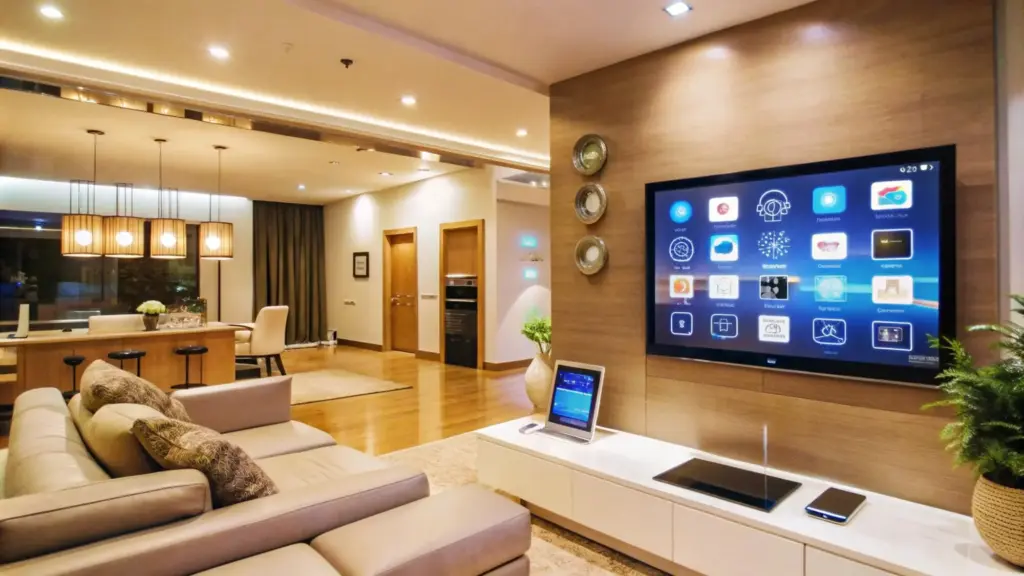
Choose a small set of physical interactions and repeat them consistently: short press toggles, long press scenes, hold to dim, double press for focus lighting. Mirror the pattern in mobile and wall interfaces using the same icons and labels. Keep contrasts accessible, backlighting gentle, and tactile feedback clear. Guests learn once and succeed everywhere, while you maintain the freedom to replace internals later without touching the visual language your household already trusts.
Lighting That Honors the Architecture
Plan layers: ambient, task, and accent, then program scenes that respect materials and sightlines. Use high‑CRI lamps, warm dim curves, and tunable white to follow circadian rhythms without looking clinical. Hide fixtures within coves, shelves, or reveals to avoid glare. Calibrate transition speeds so fades feel natural, especially at night. By aligning beam angles with textures and art, your automation becomes invisible stagecraft that supports comfort, conversation, and effortless nightly wind‑downs.
Practical Migration without Disruption


Least Privilege and Network Segmentation
Give every device unique credentials, read‑only tokens where possible, and access only to the services it truly needs. Use firewalls to separate IoT VLANs from personal data, and monitor unusual egress. Disable unused radios, hide unnecessary services, and rotate keys regularly. Configure Home Assistant users carefully, gate automations by presence or role, and audit permissions during every major upgrade. These habits constrain blast radius and keep daily life gracefully uninterrupted when something misbehaves.
Local‑First Operation and Cloud Boundaries
Design automations to run entirely on your LAN, then add cloud capabilities deliberately and transparently. Use federated voice models or on‑device assistants for common tasks, and broker cloud routines through well‑defined webhooks. Document which data leaves the house, why, and how to revoke it. When outages occur, critical lighting, climate, and locks should continue functioning. Clear boundaries preserve privacy, improve responsiveness, and prevent awkward moments that undermine confidence in the overall elegance.
Backups, Redundancy, and Disaster Practice
Automate nightly snapshots to reliable storage, keep off‑site copies, and schedule quarterly restore drills. Duplicate the controller on standby hardware or containers, and test failover using a maintenance window. Stock spare power supplies, SD cards, and a few pre‑paired sensors. Keep a printed quick‑start guide for manual overrides during rare emergencies. Practicing calmly prevents panic, shortens downtime, and safeguards the carefully composed visual experience by avoiding quick fixes that leave distracting traces.
Community, Iteration, and Everyday Joy
Learning with Others
Follow release notes from the Connectivity Standards Alliance, IETF drafts about Thread, and Home Assistant beta channels to anticipate changes before they reach living rooms. Participate kindly in issue trackers, and document discoveries with photos, wiring tables, and reproducible steps. When neighbors or readers ask, lend checklists, not judgment. Collective knowledge reduces churn and protects the carefully curated look because fixes arrive sooner, with less chaos, fewer holes in drywall, and calmer weekends.
Small Experiments, Real Feedback
Pilot new ideas in one room with a clear exit plan. Measure success by response times, energy changes, and smiles from people who actually live there. Keep a notebook or repository of observations, and revert quickly when results disappoint. When changes work, scale thoughtfully, minding network load and battery life. Invite guests to try controls and describe feelings, not specs, so you fine‑tune interactions that support dignity, clarity, and the house’s understated personality.
All Rights Reserved.